Huawei Error 2002 (DC Arc Fault) 🔴 MAJOR ALARM – Troubleshooting Guide
📌 Overview
This fault is part of the Huawei SUN2000 DC protection system.
You can view the full overview in the Huawei Error Codes Hub.
Huawei Error 2002 (DC Arc Fault) indicates the detection of a potential electrical arc in the DC side of the PV system.
When this fault is triggered, the inverter immediately stops operation to prevent fire risk and system damage.
This is a high-level safety protection event and must always be taken seriously.
⚡ What Is a DC Arc Fault?
A DC arc fault occurs when electricity jumps across a gap or poor connection in the DC circuit, creating a high-temperature electrical discharge.
This can happen in PV systems due to:
- Loose or damaged connectors
- Broken or degraded cables
- Poor MC4 connections
- High resistance joints
Huawei SUN2000 inverters include arc detection protection (AFCI – Arc Fault Circuit Interruption) to detect and stop such dangerous conditions.
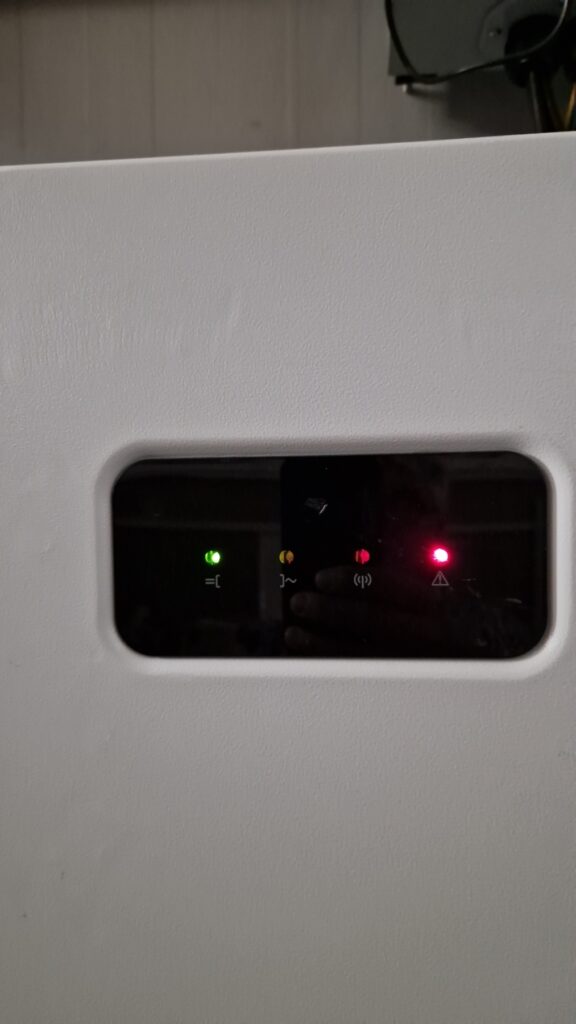
When an arc is detected, the inverter displays:
Error 2002 – DC Arc Fault
and shuts down immediately.
🚨 Common Symptoms of Error 2002
When this alarm occurs, you may observe:
- Inverter stops producing power immediately
- Arc fault alarm in FusionSolar
- DC side fault notification
- Sudden drop of generation to zero
- Automatic shutdown for safety protection
In most cases, the inverter will not restart until the fault is cleared and manually reset (depending on configuration).
⚙️ Why Huawei Error 2002 Happens
1. Loose or Poor DC Connections (Main Cause)
The most common reason is poor electrical contact.
This includes:
- Loose MC4 connectors
- Improper crimping
- Partially inserted connectors
- Corroded contact points
Similar DC issues include Huawei Error 2001 (High String Voltage) and Error 2003 (PV String Fault)
👉 High resistance at connection points increases heat and can generate arcs.
2. Damaged PV Cables
DC arc faults may occur due to:
- Cable insulation damage
- Rodent or mechanical damage
- UV degradation over time
- Pinched or crushed cables
👉 Even small insulation defects can lead to dangerous arcing under load.
3. Connector Quality Issues
Low-quality or incompatible connectors can cause:
- Poor contact pressure
- Heating under load
- Intermittent arc formation
👉 Mixing different MC4 connector brands is a common installation mistake.
4. System Aging or Environmental Stress
Over time, PV systems may develop:
- Loose joints due to thermal cycling
- Oxidation of contacts
- Mechanical stress on wiring
🔍 How to Diagnose Huawei Error 2002
Step 1 – Immediate Safety Check
Before any inspection:
- Turn off DC isolator
- Ensure system is fully de-energized
- Follow safety procedures (arc fault risk)
Step 2 – Inspect All DC Connections
Check:
- MC4 connectors on all strings
- Tightness and proper locking
- Signs of melting or burning
- Discoloration or smell of overheating
Step 3 – Inspect PV Cables
Look for:
- Cuts or abrasions
- UV damage
- Rodent damage
- Compression points
Step 4 – Check String Segments
If system allows:
- Isolate individual strings
- Test each string separately
- Identify problematic section
⚠️ Field Experience: Real-World Behavior of Huawei Error 2002 (DC Arc Fault)
In practical field service experience, Huawei Error 2002 (DC Arc Fault) is one of the most serious and safety-critical alarms encountered in PV systems.
When this fault occurs, it is stored in the inverter event log, and in many cases the inverter will not restart automatically, even if the apparent issue is no longer present.
🔧 Field Procedure in Real Installations
There have been multiple real-world cases where technicians were called to site, performed a full inspection of the system, and found no immediately visible or measurable fault.
In such situations, after a thorough safety inspection, the standard procedure may include:
- Carefully reviewing all DC strings
- Inspecting MC4 connectors and junction points
- Checking for cable damage or insulation issues
- Verifying that no overheating or arcing signs are present
Only after confirming that no abnormal condition exists, the error may be cleared and the inverter restarted.
The system is then monitored on-site for a period of time to ensure stable operation before leaving the installation.
👉 This approach is only acceptable after a complete and careful inspection of all possible causes, due to the critical safety nature of this alarm.
🔍 Real Faults Found in Practice
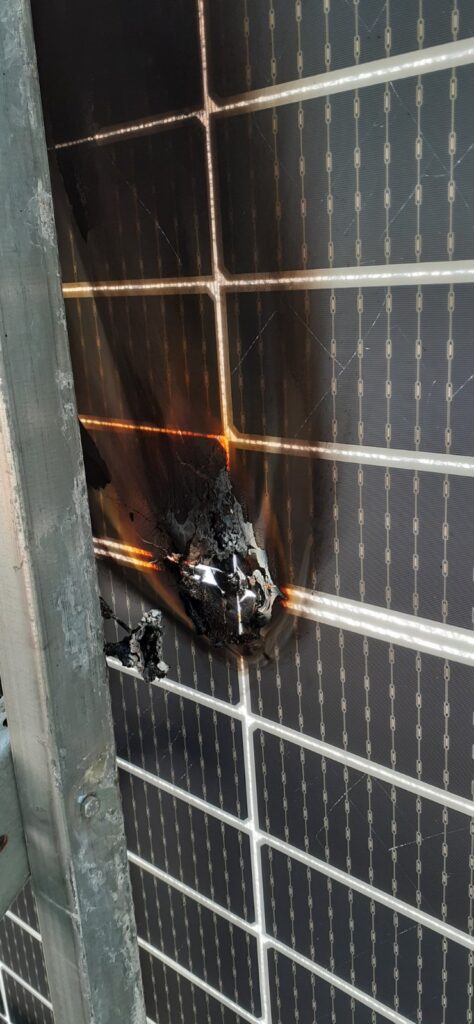
Although sometimes no visible issue is found, in many cases real defects have been identified, including:
- Poorly crimped MC4 connectors causing severe overheating
In some cases, the connector was so poorly crimped that the plastic housing had deformed and partially fused together due to excessive heat. This is a clear indicator of high-resistance connection and potential arc formation. - Cable damage caused by rodents
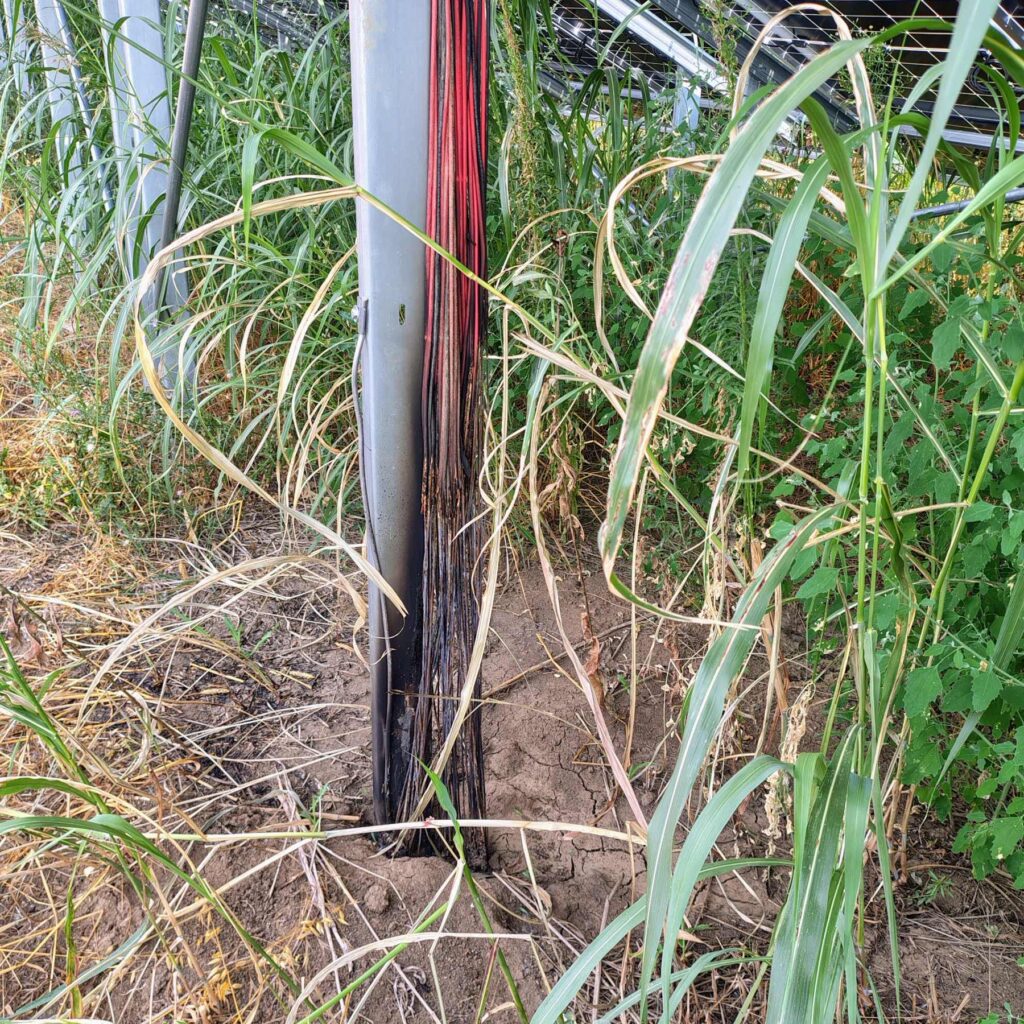
In several installations, PV cables were physically damaged by rodents and were making intermittent contact with metal structures, creating a high-risk arc condition. - Degraded or aging PV modules
In long-term installations, module degradation and internal faults have also contributed to unstable DC behavior.
👁️ Inspection Strategy: Visual First, Measurements Second
In most cases, the most effective diagnostic approach starts with a careful visual inspection, rather than immediate electrical measurements.
This is because DC arc faults are often caused by:
- Physical damage
- Loose mechanical connections
- Visible insulation failures
👉 In many situations, the root cause is visually identifiable without advanced testing.
⚠️ Critical Safety Note
Only qualified personnel should perform DC arc fault diagnostics due to fire and electric shock risk.
Huawei Error 2002 must always be treated as a high-risk safety alarm.
Even if no fault is immediately found, it must never be ignored or reset without a proper inspection of:
- All DC connectors
- PV cables
- String integrity
- Signs of overheating or arcing
📌 Summary
In field practice, DC Arc Fault (Error 2002) is a serious condition that requires structured and cautious troubleshooting.
While in some cases no visible fault is found after inspection, real-world experience shows that most issues are related to:
- Poor MC4 connections
- Cable damage
- Installation or aging defects
Proper visual inspection and systematic verification are essential before clearing the fault and restarting the system.
🔥 Why DC Arc Fault Is Dangerous
DC arcs are particularly hazardous because:
- They do not naturally extinguish like AC arcs
- They can reach extremely high temperatures
- They may ignite surrounding materials
- They are often invisible externally
👉 This is why AFCI protection is mandatory in modern PV inverters.
🛠️ Prevention Tips
To avoid DC arc faults:
- Use certified MC4 connectors only
- Ensure proper crimping tools are used
- Avoid mixing connector brands
- Inspect wiring during maintenance
- Secure all cables against movement
Follow proper installation torque and procedures (see Installation Best Practices guide)
📌 Conclusion
Huawei Error 2002 (DC Arc Fault) is a critical safety protection event triggered when the inverter detects a possible electrical arc in the DC circuit.
It is most commonly caused by poor connections or cable damage rather than inverter failure.
Proper installation quality and regular inspection are essential to prevent this fault and ensure long-term system safety.
One Comment