Huawei Error 2062 Low Insulation Resistance 🔴 MAJOR ALARM – Troubleshooting Guide
📌 Overview
Huawei Error 2062 (Low Insulation Resistance) indicates that the inverter has detected abnormally low insulation resistance between the PV array and ground.
When this fault occurs, the inverter stops operation to protect users, equipment, and the electrical installation from potential leakage currents and safety hazards.
This is one of the most common DC-side safety faults in PV systems and should always be investigated carefully.
⚡ What Is Insulation Resistance?
Insulation resistance measures how effectively the DC conductors are isolated from ground (earth).
In a healthy PV system:
- Positive DC conductors are isolated from ground
- Negative DC conductors are isolated from ground
- Leakage current remains extremely low
Huawei SUN2000 inverters continuously monitor insulation resistance and automatically perform insulation checks before connecting to the grid.
If insulation resistance falls below the allowed threshold, the inverter triggers:
Error 2062 – Low Insulation Resistance
and prevents operation.
🚨 Common Symptoms of Error 2062
When this alarm occurs, you may observe:
- Inverter stops producing power
- “Low Insulation Resistance” alarm in FusionSolar
- Repeated startup failures
- Production remains at zero
- Intermittent operation during wet weather
- Fault appears mainly in the morning or after rain
Huawei SUN2000 Troubleshooting Hub | Errors, Communication & Grid Faults
In many cases, the fault disappears once moisture dries out, but the root cause should still be identified.
⚙️ Why Huawei Error 2062 Happens
1. 🌧️ Moisture or Water Ingress (Most Common Cause)
The most common field cause is moisture entering the DC system.
Typical examples:
- Water inside MC4 connectors
- Damaged cable insulation
- Water penetration in junction boxes
- Cracked PV module backsheets
👉 Rain, snow, condensation, or humidity can temporarily reduce insulation resistance.
2. 🔌 Damaged DC Cables
Low insulation resistance may occur due to:
- Abraded cable insulation
- Mechanical damage
- Rodent damage
- UV degradation over time
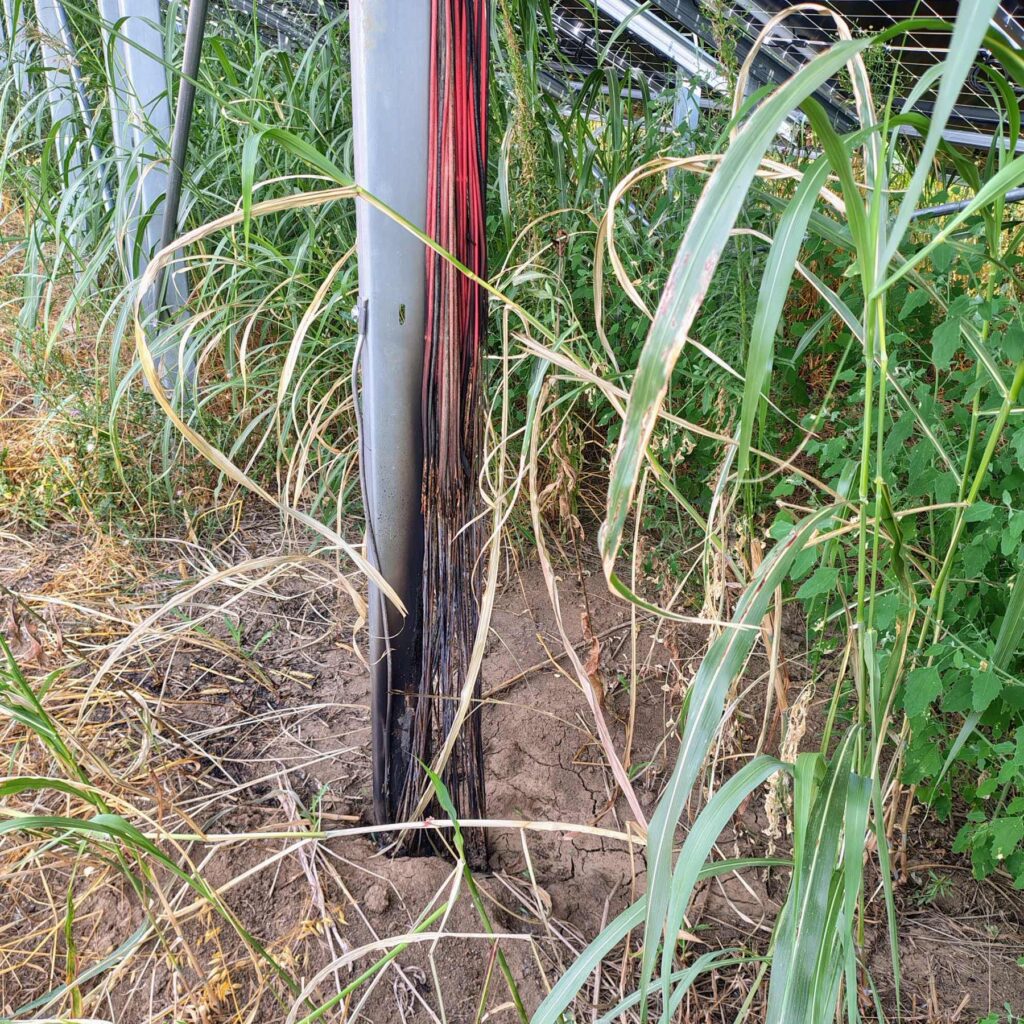
Even small insulation defects can create leakage paths to ground.
3. ☀️ Damaged or Degraded PV Modules
PV modules may develop:
- Microcracks
- Backsheet failures
- Internal moisture ingress
- Cell degradation
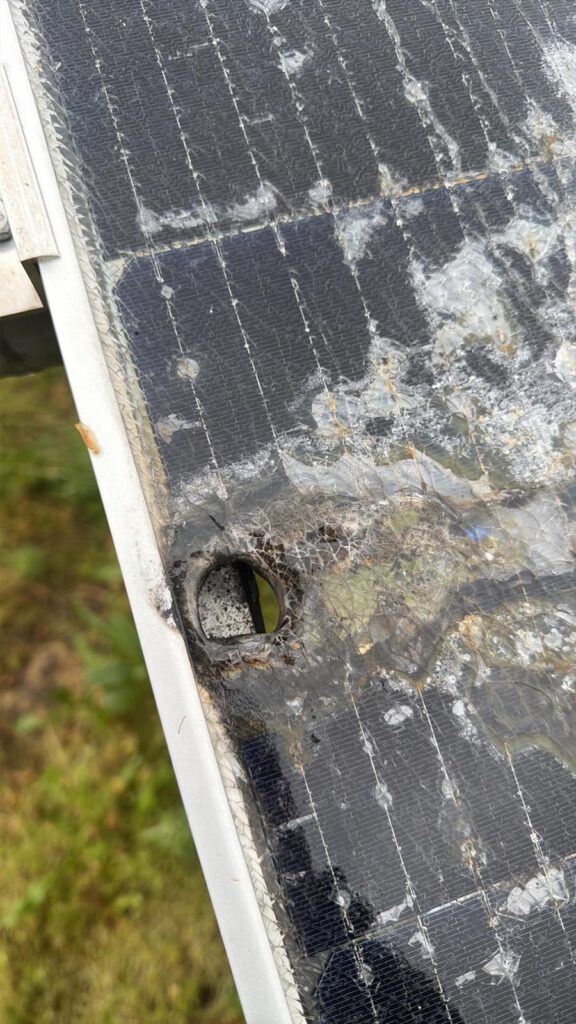
These faults can reduce insulation resistance and trigger Error 2062.
4. ⚙️ Installation Defects
Installation-related causes include:
- Pinched cables
- Incorrect cable routing
- Damaged connectors
- Poor workmanship
👉 Many insulation faults originate from installation issues rather than equipment failure.
5. 🌩️ Environmental Contamination
In certain environments:
- Dust accumulation
- Salt deposits
- Agricultural contamination
- Industrial pollution
can create leakage paths across surfaces.
🔍 How to Diagnose Huawei Error 2062
Step 1 – Review FusionSolar Logs
Check:
- Time of occurrence
- Weather conditions
- Frequency of alarms
- Startup attempts
If alarms occur mainly during rain or early mornings, moisture is a strong suspect.
Step 2 – Perform Visual Inspection
Inspect:
- MC4 connectors
- Junction boxes
- DC cables
- Module backsheets
Look for:
- Cracks
- Water ingress
- Burn marks
- Damaged insulation
Step 3 – Isolate Strings
Disconnect PV strings individually and test them separately.
This helps identify:
- Faulty string
- Damaged module group
- Ground leakage location
Step 4 – Measure Insulation Resistance
Using a calibrated insulation tester (megger):
Measure:
- Positive to ground
- Negative to ground
Compare results with manufacturer requirements.
⚠️ Real Field Experience: Huawei Error 2062 (Low Insulation Resistance) in Utility-Scale PV Plants
In real-world maintenance work, Huawei Error 2062 (Low Insulation Resistance) is one of the most frequently encountered DC-side protection faults in PV systems.
Based on field experience from at least 50+ site visits, this fault is almost never related to inverter failure. Instead, it is overwhelmingly caused by DC cable and installation issues, especially in ground-mounted solar plants.
🌍 Most Common Real-World Causes
In utility-scale and ground-mounted PV systems, the most common root causes are related to cable installation and environmental degradation.
1. Underground DC Cable Damage
One of the most frequent issues occurs in trench-installed DC cables between the PV structures.
Typical failure mechanisms include:
- Cables not installed in protective conduits (no corrugated pipe / gopher protection)
- Mechanical damage during backfilling
- Direct soil contact leading to long-term insulation degradation
- Moisture ingress over time
In many cases, once excavation is performed, the cable insulation is completely destroyed. The conductor insulation may appear degraded to the point of disintegration.
Field observations often include:
- Green copper oxidation on exposed conductors
- White powder residue in surrounding soil (indicating long-term insulation breakdown)
2. Rodent Damage in Protected Conduits
Even when DC cables are installed in protective corrugated pipes, rodent activity can still cause severe damage.
Typical findings:
- Chewed or punctured conduits
- Exposed DC cables inside the trench
- Intermittent grounding faults caused by partial insulation breach
This is particularly common in agricultural and rural PV plants.
3. Roof-Mounted Systems – Cable Abrasion
In rooftop installations, the most common issue is mechanical abrasion.
Typical causes include:
- DC cables rubbing against metal structures
- Missing or damaged cable protection
- Improper cable routing
- Long-term vibration and thermal movement
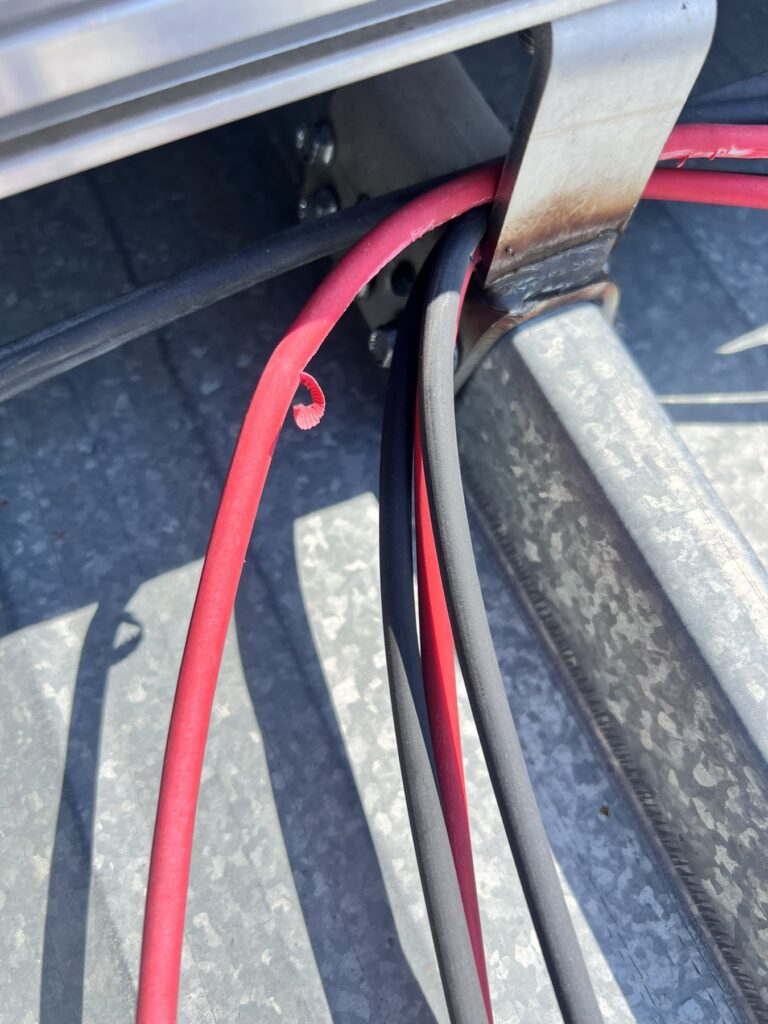
Over time, this leads to insulation wear and eventual leakage current to ground.
🔍 Field Diagnosis Approach (Practical Method)
In ideal conditions, insulation resistance should always be measured using a proper megohmmeter (insulation tester).
However, in real field conditions where a tester is not immediately available, a practical diagnostic method is sometimes used:
Temporary Isolation Method (Field Practice Only)
- Disconnect all PV strings from the inverter
- Clear the insulation fault alarm
- Reconnect strings one by one
- Identify the faulty string immediately when the alarm reappears
👉 This method is effective for fast localization but is not a replacement for proper insulation resistance testing.
⚠️ Correct Professional Approach
The correct and recommended diagnostic method is always:
- Use a dedicated insulation resistance tester (Megger)
- Measure each string individually:
- Positive to ground
- Negative to ground
- Identify leakage paths based on quantitative results
There is no “guessing” in insulation faults — only measured values provide reliable diagnosis.
🛠️ Field Strategy and Practical Constraints
In real operations, system downtime must often be minimized.
In such cases:
- The PV plant may be temporarily restarted without the faulty string
- The system continues operating at reduced capacity
- The defective string is repaired later
This approach is sometimes necessary to avoid complete production loss for the client.
🧠 Key Field Insight
After extensive field experience, the conclusion is clear:
👉 Huawei Error 2062 is almost always a cable integrity problem, not an inverter problem.
The most common root causes are:
- Underground cable insulation failure
- Mechanical damage in trenches
- Rodent damage in conduits
- Cable abrasion on metal structures
- Moisture ingress into DC connectors
📌 Conclusion
Huawei Error 2062 (Low Insulation Resistance) is a serious but highly diagnosable fault in PV systems.
In practice, the majority of cases are caused by physical DC cable damage rather than electronic or inverter failure.
Proper installation practices, cable protection, and periodic insulation testing are essential to prevent repeated occurrences of this fault in large-scale PV plants.
👁️ Inspection Strategy: Visual First, Measurements Second
Experienced technicians often begin with a careful visual inspection before performing insulation measurements.
This approach is effective because many insulation faults are physically visible.
Look for:
- Water ingress
- Cable damage
- Connector defects
- Module damage
Only after visual inspection should detailed insulation testing be performed.
⚠️ Critical Safety Note
Low insulation resistance should never be ignored.
Although the system may appear to recover temporarily, leakage current problems can worsen over time.
Only qualified personnel should perform insulation resistance testing and fault diagnosis.
📊 Error 2062 vs Error 2002
These alarms are often confused.
Error 2062 – Low Insulation Resistance
- Leakage current to ground
- Insulation problem
- Moisture or damaged insulation
- Electrical isolation issue
Error 2002 – DC Arc Fault
- Electrical arcing detected
- Poor connection or damaged conductor
- Fire risk
- AFCI protection event
Huawei Error 2002 (DC Arc Fault) MAJOR ALARM – Troubleshooting Guide
👉 Error 2062 is primarily an insulation issue, while Error 2002 is an arc detection issue.
🛠️ Prevention Tips
To avoid Error 2062:
- Use high-quality PV cables
- Ensure proper MC4 installation
- Protect cables from mechanical damage
- Inspect systems periodically
- Repair damaged insulation immediately
- Maintain waterproof integrity of connectors and junction boxes
📌 Conclusion
Huawei Error 2062 (Low Insulation Resistance) is a DC-side safety protection alarm triggered when the inverter detects excessive leakage current or insufficient electrical isolation from ground.
Most cases are caused by moisture, cable damage, connector defects, or module degradation rather than inverter failure.
Proper inspection, insulation testing, and preventive maintenance are essential for long-term system reliability and safety.